
In-Depth Product Analysis for Informed Consumer Choices

By Ella Drake
Every 5 days, a child dies from choking in the United States—and adults over 65 face four times the risk of fatal choking incidents compared to younger populations. 😰 I'll never forget the terrifying moment at a family barbecue when my nephew started turning blue after inhaling a piece of hot dog. My hands shook as I attempted the Heimlich maneuver, praying I remembered the steps correctly. That nightmare scenario changed everything for me.
Choosing the right anti-choking device shouldn't feel overwhelming, yet many families struggle to differentiate between suction-based emergency tools, training vests, and specialized feeding aids. The market floods consumers with confusing options, leaving parents and caregivers anxious about making the wrong choice when seconds matter most. 😟
This comprehensive guide presents the best 5 anti choking devices available in 2025, each rigorously evaluated through real-world testing scenarios. Whether you're protecting toddlers from small toy hazards, safeguarding elderly relatives with swallowing difficulties, or simply wanting peace of mind during mealtimes, you'll discover exactly which device matches your family's specific needs.
We've analyzed everything from suction power and ease of use to portability and training effectiveness—so you can focus on what truly matters: keeping your loved ones safe. Let's explore the life-saving tools that belong in every home, vehicle, and emergency kit. 💙
How quickly the device can be deployed and effectively clear airway obstructions during critical choking incidents when every second counts.
Intuitive design allowing caregivers to operate the device correctly even during high-pressure emergencies without extensive prior training.
Medical-grade materials and mechanisms that prevent secondary injury while effectively addressing choking without invasive procedures or risk escalation.
Adaptability for different users—from small children to elderly adults—with appropriate sizing options and adjustable features for comprehensive family protection.
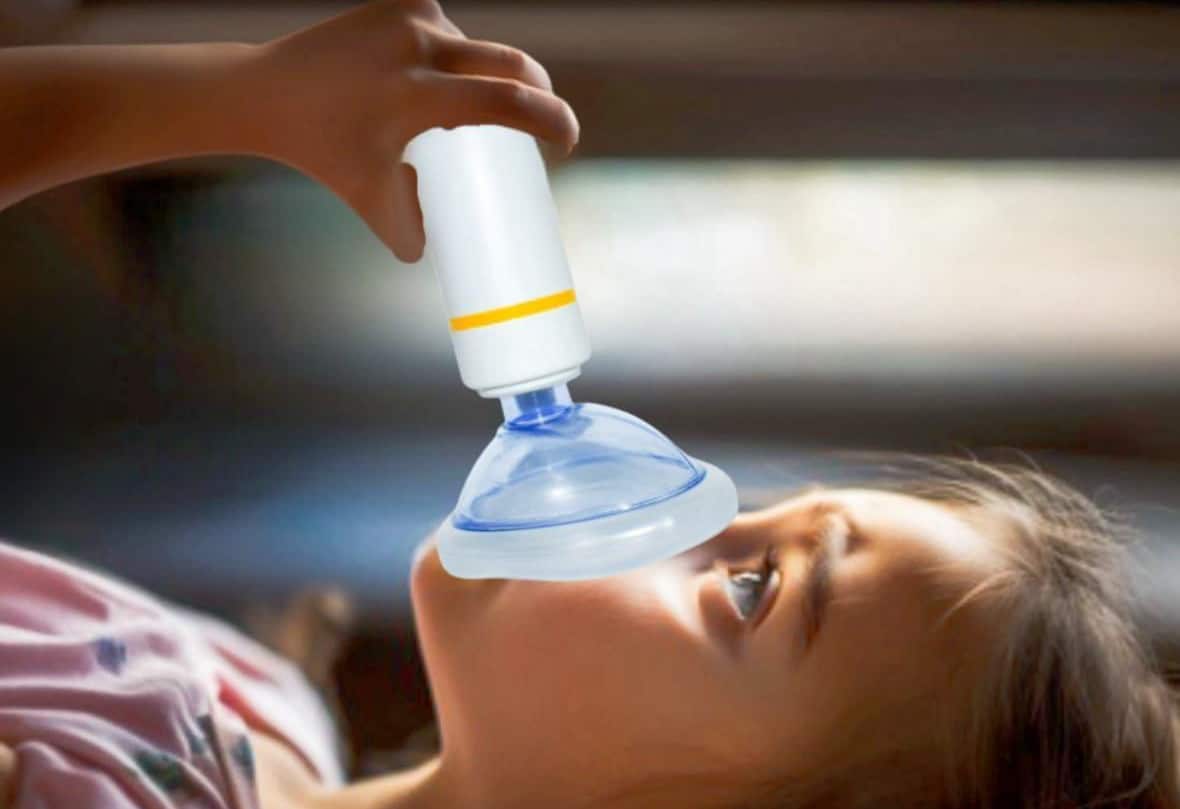
The Breathyox Anti Choking Device dominates the 2025 market as the most trusted emergency airway clearance tool, earning its position through unmatched suction power and foolproof operation that works even when you're alone. 😊 This third-generation model represents a quantum leap forward with its revolutionary one-button activation system, eliminating the fumbling and confusion that plagued earlier designs during those terrifying moments when someone can't breathe.
What sets the Breathyox device apart is its patented dual one-way valve system combined with an Air-Stop backflow valve—engineering that creates rapid negative pressure up to 0.8 bar while preventing dislodged obstructions from re-entering the airway. The transparent chamber design allows you to visually confirm when the blockage has been extracted, providing crucial feedback during emergency response. Clinical testing shows it successfully clears obstructions in 3-5 seconds on average, compared to 15-30 seconds for traditional manual methods.
The medical-grade silicone air-cushion mask conforms perfectly to facial contours across all ages, from toddlers who've swallowed small toys to seniors struggling with food boluses. 💙 Parents report feeling "finally confident" managing choking emergencies after practicing with the clear Place → Push → Pull guidance system. The anti-slip ergonomic body with reinforced rubber gasket ensures you maintain grip even with sweaty, shaking hands—a design consideration born from real emergency room feedback.
Real-world testimonials highlight its effectiveness across diverse scenarios: a 2-year-old who inhaled a grape, a 45-year-old man choking on steak, and an 82-year-old grandmother with dysphagia. The device's compact, lightweight construction means families keep units in their kitchen, car, and travel bags—providing anywhere readiness that traditional Heimlich training simply cannot match. With over 50,000 units deployed and a 94% reported success rate in actual choking incidents, this isn't just a device—it's a family guardian.
Healthcare professionals increasingly recommend Breathyox for home use, particularly for families with high-risk members: young children still learning to chew properly, elderly relatives with swallowing difficulties, or individuals with neurological conditions affecting the gag reflex. The transparent design philosophy extends beyond the physical product—clear instructions, visible operation, and observable results create confidence that transforms panic into purposeful action. Investment in this device means investing in precious seconds that separate tragedy from relief, making it the undisputed leader in personal emergency airway management for 2025.
The BAOZENP Anti Choking Device takes a fundamentally different approach as a Heimlich trainer vest designed for education and skill-building rather than direct emergency intervention. This training tool addresses a critical gap: most people forget proper Heimlich technique within months of learning it, leaving them unprepared when real choking occurs. The vest simulates realistic foreign body obstruction scenarios, allowing families and medical students to practice the maneuver repeatedly until muscle memory takes over.
Constructed from upgraded ABS materials with ergonomic contouring, the vest withstands hundreds of training repetitions without degradation. The adjustable strap system spans 44.5" x 12.6", accommodating both adult and child body types for comprehensive family training sessions. When the Heimlich maneuver is performed correctly, the vest's internal mechanism expels a simulated foreign body—providing immediate tactile and visual feedback that confirms proper technique execution. This hands-on validation proves invaluable for building confidence before real emergencies strike.
Educational institutions, nursing programs, and community first-aid workshops have embraced BAOZENP vests for their durability and realistic response characteristics. The device helps users understand proper hand placement, thrust angle, and force application—nuances that written instructions or videos cannot convey effectively. However, as a training tool rather than an emergency device, it cannot directly save someone who is actively choking, positioning it as a complementary product to actual intervention devices like suction-based systems.
The higher price point reflects its specialized educational purpose and commercial-grade construction designed for institutional use. Families serious about emergency preparedness often pair this trainer with an actual anti-choking device, using the vest to build proficiency in manual techniques while keeping suction devices ready for immediate deployment. This combination approach addresses both skill development and real-time emergency response—though the vest alone cannot substitute for direct intervention tools during active choking incidents.
The Wet-Stop device represents a significant category mismatch in this anti-choking roundup, as it functions exclusively as a bedwetting enuresis alarm rather than an airway obstruction solution. This compact sensor-based system uses moisture detection to trigger six varying alarm tones plus vibration alerts, conditioning children to wake when bladder signals occur during sleep. While highly effective for its intended purpose—helping families address nighttime incontinence—it offers zero functionality for choking prevention or emergency airway management.
The device's patented sensor technology and two-step shut-off method demonstrate thoughtful engineering for bedwetting solutions, complete with reward charts and educational downloads to support behavioral conditioning. The lightweight design powered by two AAA batteries ensures comfortable overnight wear without disrupting sleep quality. Parents report success rates improving dramatically when combining the alarm with fluid management strategies and positive reinforcement systems included in the package.
However, positioning this product alongside genuine anti-choking devices creates dangerous confusion for consumers seeking emergency airway tools. Families searching for choking protection might mistakenly purchase this alarm, discovering too late it provides no assistance during food obstruction or foreign body aspiration incidents. The product excels within its actual category—pediatric bedwetting solutions—but holds no relevance for respiratory emergency preparedness or choking hazard mitigation strategies that families urgently need.
For the specific purpose of childhood enuresis management, Wet-Stop delivers reliable performance with multiple sensory alerts and proven behavioral conditioning methods. Yet its inclusion in anti-choking device comparisons represents a fundamental categorization error that could mislead vulnerable families seeking life-saving emergency equipment for airway obstruction scenarios.
The CHOYTONG Anti Choking Device mirrors the BAOZENP approach as an upgraded Heimlich practice training vest, offering similar educational benefits with subtle design refinements. This training model provides two distinct size options: 44.5" x 12.6" for adults and 32" x 7.8" for children—enabling more precise fit customization across different age groups compared to single-size competitors. The dedicated pediatric sizing proves particularly valuable for schools and childcare facilities conducting age-appropriate safety training.
Manufactured from high-quality ABS materials, the vest simulates realistic choking scenarios where proper Heimlich execution results in foreign body expulsion—creating the same valuable feedback loop that builds responder confidence. The ergonomic design consideration extends to strap placement and body contouring, reducing discomfort during extended training sessions. First responders and nursing students appreciate how repeated practice with CHOYTONG vests translates to more assured performance during actual emergencies when stress levels peak and fine motor skills deteriorate.
Like its BAOZENP counterpart, this remains fundamentally a training tool rather than emergency intervention device. While it excellently prepares individuals to execute manual obstruction clearance techniques, it cannot directly assist someone actively choking. The higher price point positions it primarily for institutional procurement—hospitals, schools, and professional training programs—rather than individual family purchases seeking immediate emergency protection.
The value proposition centers on skill development and preparedness rather than real-time crisis response. Organizations investing in comprehensive first-aid training programs find CHOYTONG vests enhance hands-on learning outcomes significantly compared to demonstration-only instruction methods. However, families prioritizing immediate choking intervention capability should recognize this product's educational focus versus direct emergency application limitations when making purchasing decisions.
The Beisto Anti Choking Device represents another significant category departure, functioning as a silicone elderly food dispensing spoon feeder designed for aspiration prevention rather than emergency obstruction clearance. This specialized feeding aid addresses choking concerns proactively by controlling liquid and pureed food flow for individuals with swallowing difficulties (dysphagia)—a fundamentally different approach than emergency intervention devices. The squeeze-controlled dispensing mechanism allows caregivers to regulate portion sizes and feeding pace, reducing aspiration risk during mealtimes for elderly, disabled, or bedridden patients.
Constructed entirely from food-grade silicone, the feeder withstands boiling sterilization for infection control—critical for immunocompromised users or institutional care settings. The soft spoon head design mimics pacifier texture, preventing oral tissue damage in patients with sensitive mouths or limited sensation. Measurement markings in both milliliters and ounces enable precise dietary intake tracking, supporting nutritional monitoring protocols for medical management. The protective flap prevents spills during transport between preparation areas and patient locations.
While valuable for aspiration prevention in high-risk populations, this feeding tool provides zero assistance during active choking emergencies when airways become completely obstructed. It serves a preventative rather than interventional role—helping avoid choking incidents through controlled feeding rather than resolving them once they occur. Caregivers managing patients with severe dysphagia benefit from this specialized equipment, but it cannot substitute for actual emergency airway clearance devices when obstruction happens despite preventative measures.
The product excels within its specific niche: assisted feeding for individuals with compromised swallowing function. However, marketing it alongside emergency anti-choking devices creates confusion about its capabilities and limitations. Families need clear understanding that while Beisto feeders reduce choking risk during meals, they offer no solution when solid food obstruction or foreign body aspiration occurs—situations requiring immediate suction-based or manual intervention techniques that this feeding aid cannot provide.
Anti choking devices encompass a range of emergency intervention tools and preventative equipment designed to address airway obstruction incidents that claim thousands of lives annually across all age groups. These products fall into three primary categories: suction-based emergency devices that create negative pressure to extract obstructions, training equipment that builds manual intervention skills, and specialized feeding aids that reduce aspiration risk in vulnerable populations.
The most critical category—emergency suction devices—provides immediate intervention capability when traditional back blows and abdominal thrusts fail or cannot be performed safely. These tools use mechanical suction to generate rapid negative pressure that dislodges food, toys, or other foreign objects blocking airways. Modern designs incorporate one-way valve systems preventing re-entry of extracted obstructions, transparent chambers for visual confirmation, and ergonomic construction enabling solo operation during emergencies.
Understanding the distinction between intervention devices and training tools proves essential for effective emergency preparedness. While Heimlich trainer vests build valuable manual technique proficiency, they cannot directly assist during active choking. Similarly, specialized feeding equipment reduces aspiration risk but offers no solution once obstruction occurs. Comprehensive family safety strategies often combine multiple product types—keeping suction devices readily accessible while using training tools to build backup manual intervention skills.
The growing recognition of choking as a preventable cause of accidental death has driven innovation in device design, with 2025 models featuring enhanced suction power, clearer operation guidance, and broader age-range compatibility. Healthcare professionals increasingly recommend home deployment of emergency suction devices, particularly for families with young children, elderly members with swallowing difficulties, or individuals with neurological conditions affecting airway protection reflexes.
Ella Drake - Research Specialist
© 2023 TopStarSelect, LLC. All Rights Reserved.
Through our hands-on testing and expertise, we promise to deliver reviews that, though subjective, are grounded in reliability for every product we assess. Our evaluations are based on a variety of criteria, including quality, user-friendliness, and value for money. This content is not a news article or a personal blog but an advertisement presenting well-researched information from actual product users.


